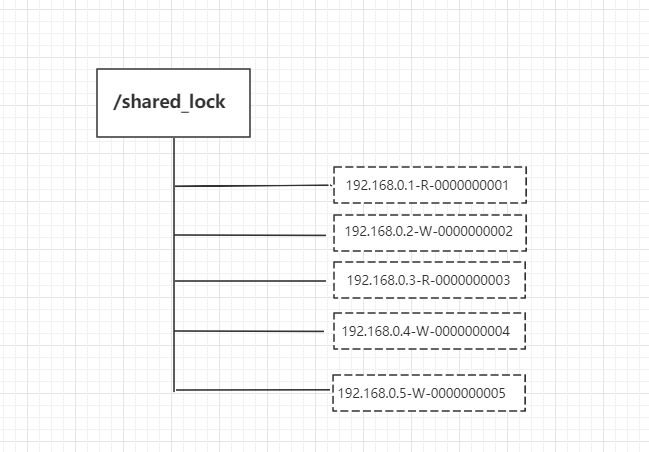
14.0 Zookeeper Distributed Lock Implementation Principle
Distributed locks are a way to control synchronized access to shared resources among distributed systems. The following describes how ZooKeeper implements distributed locks, explaining two types of distributed locks: exclusive locks and shared locks. Exclusive...
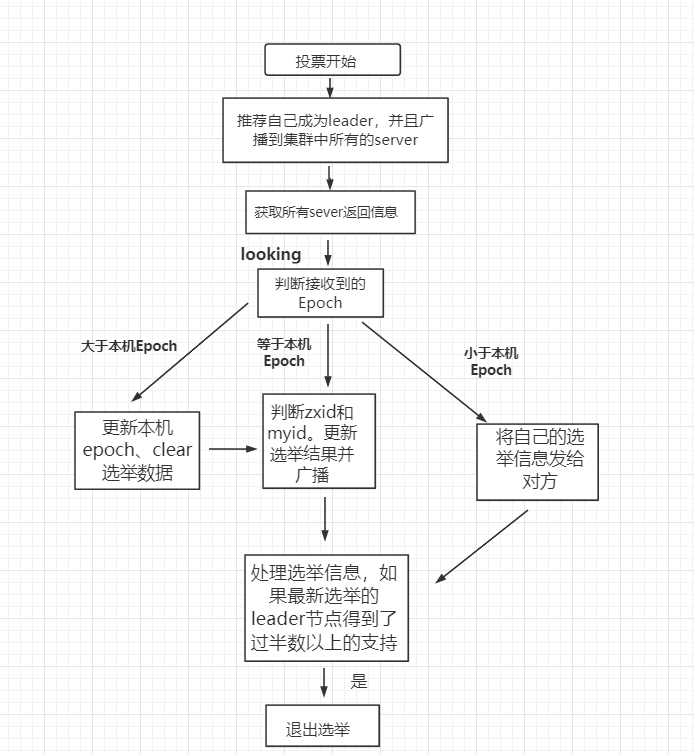
13.0 Zookeeper Leader Election Principle
ZooKeeper's leader election has two phases: one is leader election during server startup, and the other is when the leader server goes down during operation. Before analyzing the election principle, let me first introduce...
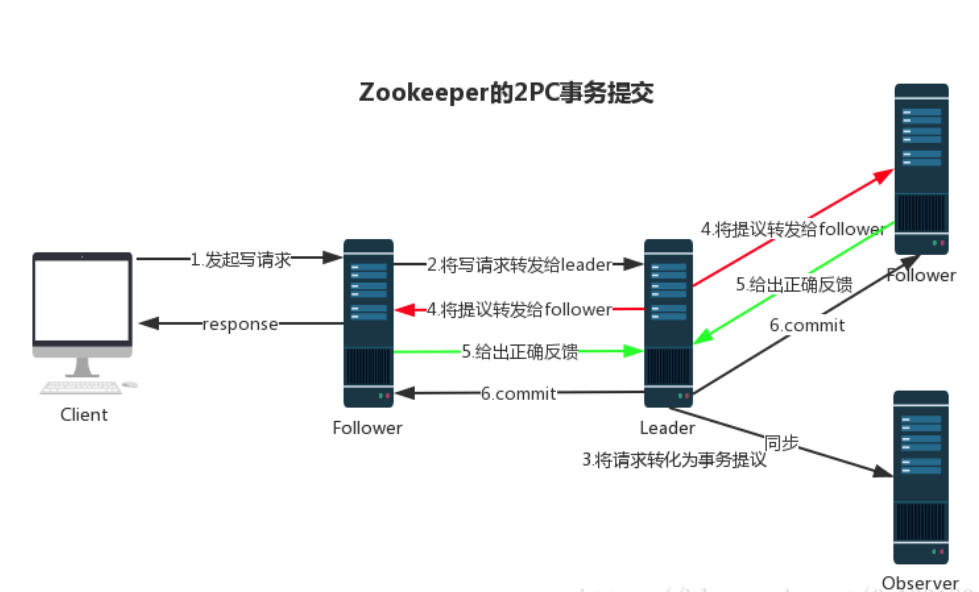
12.0 Zookeeper Datasame步Workflow
In ZooKeeper, the ZAB protocol is mainly relied upon to achieve distributed data consistency. The ZAB protocol is divided into two parts: Message broadcast Crash recovery Message broadcast ZooKeeper uses a single...
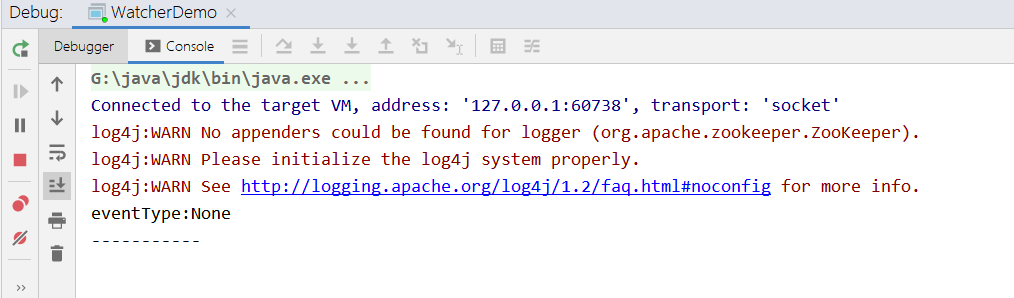
11.0 Zookeeper Watcher Event Mechanism Principle Analysis
ZooKeeper's watcher mechanism can be divided into four processes: 1. Client registers watcher. 2. Server processes watcher. 3. Server triggers watcher event. 4. Client callback wa...
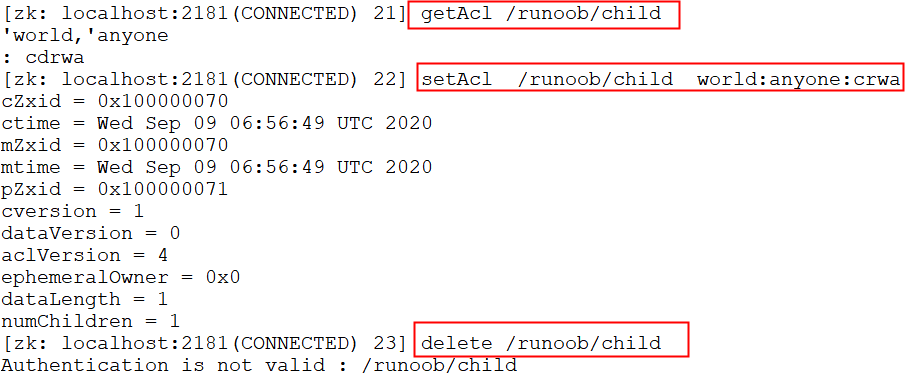
10.0 Zookeeper Permission Control ACL
ZooKeeper's ACL (Access Control List) permissions are particularly important in production environments, so this chapter provides a special introduction. ACL permissions can set relevant read...

9.0 Zookeeper Node Characteristics
This chapter introduces the node characteristics and simple usage scenarios of ZooKeeper. It is precisely because of these node characteristics that ZooKeeper has developed different scenario applications. 1. Keys of nodes at the same level ...
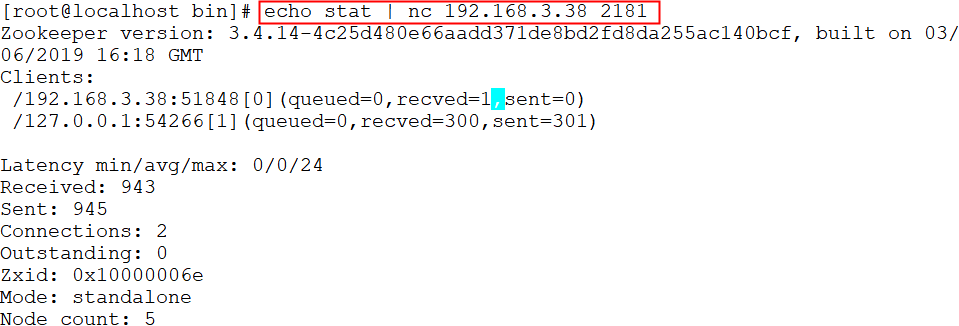
8.0 Zookeeper Four-Letter Commands
ZooKeeper supports interaction with specific four-letter commands, allowing users to obtain the current status and related information of the ZooKeeper service. Users can use telnet or nc (netcat) on the client side...

7.0 Zookeeper Client Basic Command Usage
ZooKeeper commands are used to perform operations on the ZooKeeper service. First, execute the command to open a new session and enter the terminal. $ sh zkCli.sh Below we begin to explain basic commonly used commands...
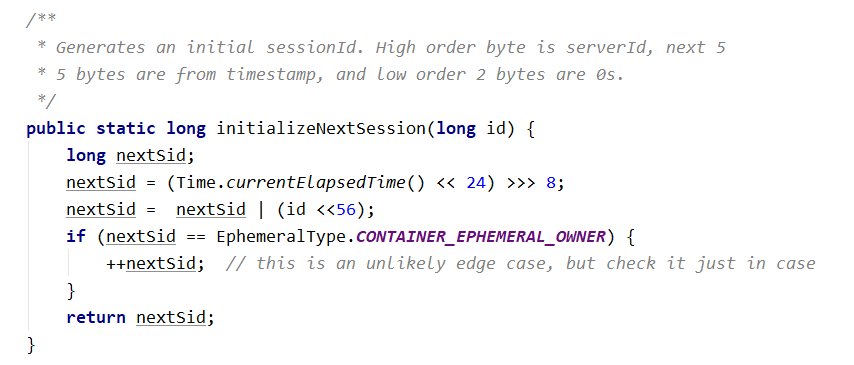
6.0 ZooKeeper Session Fundamentals
The connection between the client and the server is based on a TCP long connection. The client connects to the server's default port 2181, which is the session. From the establishment of the first connection, the client...
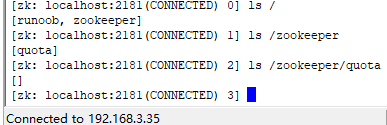
5.0 Detailed explanation of ZooKeeper data model znode structure
Data Model In ZooKeeper, it can be said that all stored data in ZooKeeper is composed of znodes. Nodes are also called znode, and data is stored in key/value form. Whole...
- 1
- 2
- Total 2 Pages